


Dragon Mania Legends
Gameloft SE
I spent time with Dragon Mania Legends as a mobile adventure game built around raising dragons, developing a magical island city, and sending your creatures into battles. It is free to start, aimed at Everyone, and made by Gameloft SE. The basic idea is easy to understand: collect dragons, improve their home, combine the right creatures, and gradually turn a small fantasy settlement into a busy dragon community.
What makes it worth considering is the way several activities fit together. You are not only fighting, and you are not only decorating. The city gives your dragons a place to live, the dragons support battles, and collecting becomes a long-term reason to keep returning. In my experience, that mixture makes the game more approachable than a purely combat-focused adventure title, although it also means progress can feel slower when you want everything at once.
How the game feels to use in different situations
Readability and navigation
The game presents its world as a colorful island settlement, so the main destinations are easy to recognize once you have played through the opening steps. I could move between the city-building side and the adventure side without learning a complicated control system. The visual separation between habitats, dragons, resources, and battle-related activities helps the game feel less intimidating than its number of collectible creatures might suggest.
Related News

That simplicity matters for younger players and for anyone who prefers games that explain themselves through visible actions rather than long menus. You generally understand what to tap because the island is organized around places and characters instead of a dense spreadsheet of options. The fantasy presentation also gives ordinary management tasks a clear context: improving a habitat feels like caring for dragons, while preparing a team feels connected to the next expedition.
I found the early flow comfortable, but the amount of information grows as the collection expands. More dragons mean more choices, and a player who wants to optimize every team may need patience when comparing elements, upgrades, and available resources. The game remains welcoming at a casual level, yet it gradually asks you to remember which creatures are useful for particular situations.
Related News

Why WhatsApp Messenger Still Makes Everyday Communication Feel Easy

Jurassic World: The Game Is the Better Dino Tycoon for Strategic Players

Threads in Real Life: Who Should Join, Lurk, or Leave

How SHEIN Turned Shopping Into an Endless Content Feed

How to Make Fortnite Feel Smarter on Mobile

Should You Switch to Microsoft Outlook on Mobile?
A practical way to keep navigation manageable is to decide on a small group of dragons for regular attention instead of trying to upgrade every new arrival immediately. I also recommend checking the city before entering a battle session. That simple routine helps prevent resources from sitting unused and makes the settlement feel like part of the adventure rather than a separate screen you visit only when prompted.
Motor and sensory considerations
The core interaction is based on taps and selections rather than demanding precision movement. That makes it a reasonable choice for players who prefer slower, deliberate input over rapid swipes or complex virtual controls. Battles are easier to approach when you think ahead about the team and the available actions, rather than treating them as tests of reflexes.
There is still a difference between “easy to control” and “easy for everyone.” The colorful presentation, animated activity, and repeated visual changes may feel busy for players who are sensitive to motion or strong visual stimulation. I would try a short session first, especially if the player becomes tired in games with a lot happening on screen. Playing in a calm setting and taking regular breaks can make the experience more comfortable.
Gallery
Text and interface elements are usable for ordinary play, but players who need very large lettering, strong contrast, or highly adjustable visual presentation should approach with realistic expectations. I would not choose this game primarily for specialized accessibility controls. Its strength is the straightforward tap-based structure, not a deep set of clearly advertised customization options for every visual or motor need.
Sound is also worth considering in shared spaces. A player may enjoy the atmosphere more with audio, but the game remains understandable when played quietly if visual prompts are enough for the task at hand. That makes it suitable for a quick session in a waiting room or during a commute, provided the device itself is comfortable to hold and the player is not relying on sound alone.
Situational access: short sessions, family play, and everyday routines
This is the kind of game that fits naturally into small gaps in the day. I can imagine checking the dragon city while waiting for an appointment, making a few improvements, and leaving before the session becomes a major time commitment. The collection and city-building structure gives each visit a clear purpose, even when there is not enough time for a long battle sequence.
For a family, the broad age rating makes the premise approachable, and the dragon theme is easier to introduce than a darker adventure setting. A child can focus on collecting and caring for creatures, while an older player can pay more attention to team choices and city development. That said, shared play works best when an adult explains that free access does not necessarily mean every optional purchase is free.
The game includes in-app purchases ranging from $0.99 to $99.99 per item. I would treat that as an important part of the decision for children or anyone who wants a strictly controlled spending environment. The safest approach is to establish purchase rules before handing over the device, because the temptation is not only about buying one particular dragon; it can also come from wanting to speed up progress or complete a collection sooner.
Players who dislike timers, gradual development, or returning to a game repeatedly may find the rhythm frustrating. Dragon Mania Legends is more comfortable as a continuing hobby than as a single evening adventure with a definite finish. If I want a self-contained story that I can complete without waiting for a city to develop, I would choose a traditional premium adventure instead.
Collection, breeding choices, and battle planning
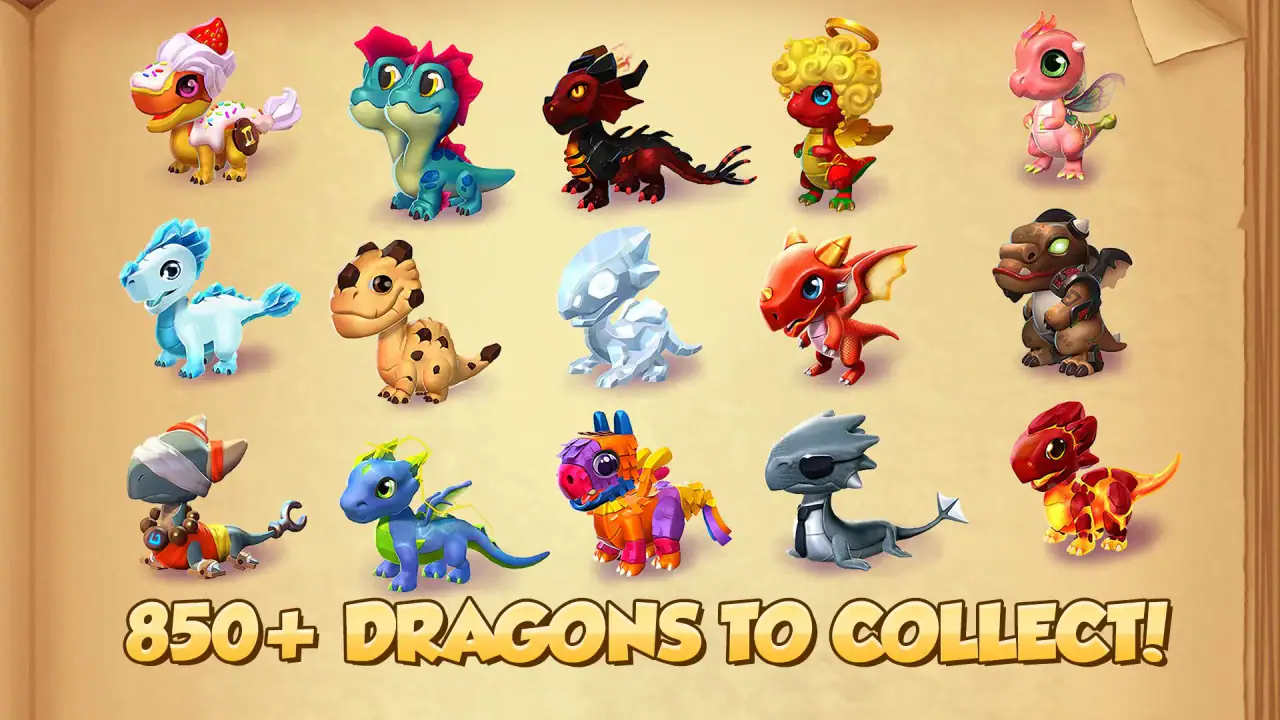
The strongest part of the design is the relationship between collecting and strategy. A new dragon is not merely another picture in a catalogue. It can change which battles feel manageable, which habitats are worth improving, and how I think about the next stage of the city. This gives collecting more purpose than simply chasing visual variety.
One useful habit is to avoid spending every resource as soon as it appears. Keeping a reserve gives you flexibility when a promising dragon becomes available or when a battle requires a different approach. I found this more satisfying than constantly upgrading the first creatures I received, because it turns the city into a place where decisions have a visible effect over time.
Breeding or merging choices, where available within the game’s dragon-collection loop, are best treated as experiments rather than guaranteed solutions. A player who wants a specific result may become impatient, while someone who enjoys discovering combinations will probably get more from the process. I prefer setting a short-term goal, such as improving one element or strengthening one battle group, instead of trying to obtain everything immediately.
Battle preparation rewards attention more than frantic tapping. Before committing to a difficult encounter, I would look at the dragons already developed and choose a balanced group rather than automatically selecting the newest creature. This is one of the less obvious strengths of the game: the city-building layer quietly encourages planning, because an underdeveloped collection can limit your options when combat becomes more demanding.
Where the experience becomes less inclusive
The main barrier is not the control scheme; it is the combination of long-term progression and optional spending. Players with limited time, limited patience, or a strong preference for one-time purchases may feel that the game is always asking them to wait, return, or decide whether a shortcut is worth paying for. Even when I am enjoying the fantasy setting, that structure can make the experience feel less relaxed.
Another barrier is the need to keep several kinds of information in mind. A casual player can make progress without mastering every detail, but someone who wants efficient results may need to track which dragons are worth developing and which city improvements should come first. That can be mentally tiring for players who prefer a clearly linear route through an adventure.
The visual style may also be a poor match for someone who needs a quiet, low-stimulation interface. The bright fantasy world is part of the appeal, but it is not especially restrained. I would be cautious about recommending it to a player who becomes uncomfortable with animated screens, small interface details, or a crowded collection view.
Device context matters too. A large, bright screen can make the city easier to inspect than a small phone, while a stable connection and a comfortable grip can make longer sessions less tiring. I would not recommend marathon play for someone with hand fatigue. Short visits are a better fit because the game’s structure naturally supports returning later rather than finishing everything in one sitting.
How it compares with other adventure choices
Compared with a conventional action-adventure game, this title is less about direct movement through a continuous world and more about building a personal dragon ecosystem. That makes it gentler for players who do not enjoy fast combat, but less satisfying for anyone seeking precise platforming, exploration controls, or a tightly paced story.
Compared with a simple collection game, it offers more reasons to care about development. Dragons have a role in battles, and the city gives the collection a practical home. The trade-off is that there are more systems to balance. Someone who only wants to open the app, collect a reward, and leave may prefer a lighter experience, while someone who enjoys gradual planning will likely appreciate the extra layer.
It also differs from a purely competitive battle game. You can spend time improving the city and collecting creatures without making every session a contest against other players. That gives the game a more personal pace, although the long-term progression can still create pressure if you compare your progress with other people or feel tempted by optional purchases.
Who should play it, and who should skip it
I would recommend it to players who like fantasy creatures, gradual collection, light city management, and battles that reward preparation. It is especially suitable for someone who wants a game that can be visited briefly several times a day rather than completed in one uninterrupted sitting. Families may also enjoy the friendly theme, as long as spending boundaries are clear.
I would be more cautious for players who need extensive accessibility customization, dislike bright animated interfaces, or want a fully self-contained adventure with no long-term waiting. It is also not my first choice for someone who becomes frustrated by optional purchases appearing in a free-to-start game. In those cases, a paid adventure with a fixed progression may provide a calmer and more predictable experience.
The game has been available since January 7, 2015, and its continued scale is reflected in more than 100 million installs, with an average rating of 4.4 from around 3 million ratings. Those figures suggest a very established audience, but they do not remove the personal question of fit. A popular game can still be wrong for a player who needs a quiet interface or dislikes collection-based progression.
My inclusive verdict
Dragon Mania Legends works best when I approach it as a relaxed dragon-management hobby with adventure elements, not as a fast action game. The tap-based controls and friendly theme make the starting point accessible, while the collection and battle systems provide enough depth for players who enjoy planning. Its current version is 9.0.5d, and the game supports devices running Android 7.0 or later.
My advice is to begin slowly, develop a dependable group of dragons, and resist spending simply to remove every delay. Use short sessions if the screen feels busy, keep the device at a comfortable size and brightness, and decide in advance whether optional purchases are acceptable. Those choices do more to improve the experience than trying to rush through the collection.
Overall, I think it is a good free adventure game for players who want colorful dragons, a growing city, and a reason to return regularly. Its most inclusive quality is its forgiving pace and simple tap-first interaction, while its biggest limitation is the combination of visual busyness, layered progression, and in-app spending. If that balance suits you, this is an easy game to settle into; if you want a quiet, linear, one-time adventure, I would look elsewhere.
FAQs for Dragon Mania Legends
What is Dragon Mania Legends and what can I do in the game?
Dragon Mania Legends is a captivating dragon-breeding simulation game available on both Android and iOS. Players can collect, breed, and nurture various dragon species, each with unique abilities. The game includes exploring magical islands, building habitats, and participating in battles. With frequent updates and events, it offers endless entertainment.
Is Dragon Mania Legends free to play, or does it include in-app purchases?
Dragon Mania Legends is free to download and play, but it includes optional in-app purchases. These purchases can enhance gameplay by speeding up progress, buying special items, or acquiring unique dragons. However, players can fully enjoy the game without spending money, as it offers numerous opportunities to earn rewards.
What are the system requirements for installing Dragon Mania Legends on my device?
To install Dragon Mania Legends on Android, your device should run on Android 4.4 or later, with at least 2GB of RAM for optimal performance. For iOS users, the game requires iOS 9.0 or later. Ensure sufficient storage space is available, as regular updates may increase the app size over time.
How can I ensure my progress in Dragon Mania Legends is saved?
To save your progress in Dragon Mania Legends, connect the game to a social media account like Facebook or to your Google Play or Apple Game Center account. This not only secures your progress but also allows you to sync your game across multiple devices and recover your data if you reinstall the app.
Are there social features in Dragon Mania Legends that allow me to interact with other players?
Yes, Dragon Mania Legends includes several social features. Players can join clans to collaborate with others, participate in clan events, and communicate through in-game chat. Additionally, you can visit and help friends with their dragon islands, enhancing the community aspect and adding a layer of shared gameplay experience.
Pros
- Engaging dragon breeding system.
- Stunning graphics and animations.
- Frequent updates with new content.
- Strategic combat mechanics.
- Social features for team play.
Cons
- Requires internet connection.
- Can be time-consuming.
- In-app purchases can be pricey.
- Energy system limits playtime.
- Ads can be intrusive.


